
Putting Words to a Mental Image
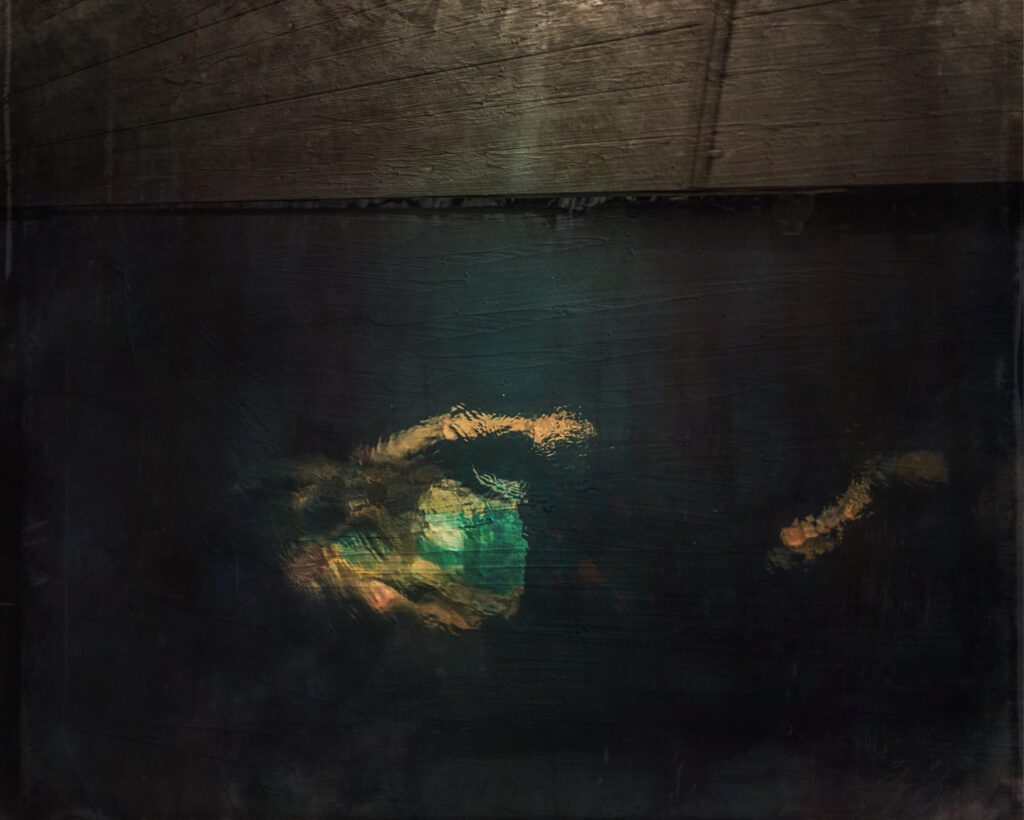
An image came to mind the other day. I was swimming in Shag Lake, right off the dock. I smile as I write this, and at the same time feel familiar tears welling up. I feel a numbing or tingling sensation rushing over me, through my chest and arms. Like a body memory of being there swimming. I was alone, but felt my dad watching me from his front porch chair. Tears rolling down now as I make that connection. He’s watching over me. I am carefree, floating and submerging. It is quiet. Just the sounds of the water. The water is dark, almost black. It was always deep, in the best ways.
The thought I had the other day was gratitude. I have carried a lot of sadness about not spending as much time here as I wanted to in my married life. But now, I feel a shift. No longer only sadness, because I see that for the rest of my life, I get to hold this memory in such a pure way, without added layers of the pain experienced in that marriage in this place too. It is preserved. It is protected. Like my dad watching me swim.
Creating the Image
I used images I had to piece together this mental image after sitting with it and writing out my experience in as much detail as I could. I wrote out as many sensory details as I could as well as what was coming up for me as I put words to the image.
The images I used were taken at a few different lakes I’ve visited. Each of them reminded me, when I was there, of my childhood lake home.


Sharing the Experience
I shared this image and my words with friends I knew would understand both these chapters in my life and what the emotional experience of image making is like for me. Sharing my experience with trusted others is not only validating, but helps my understanding expand.
Instead of focusing on what might have been missed, I can focus on what I have. As my friend reflected back to me, “The space is preserved for you, it’s happy and it’s sad. But it’s your space to hold. I love that for you.”

“A large part of self-understanding is the search for appropriate metaphors that make sense of our lives. Self-understanding requires unending negotiation and renegotiation of the meaning of your experiences to yourself. In therapy, for example, much of self-understanding involves consciously recognizing previously unconscious metaphors and how we live by them. It involves the constant construction of new coherences in your life, coherences that give new meaning to old experiences.”
– George Lakoff, Mark Johnson in Metaphors We Live By