
Continuing to grow carries grief.
Because you have to keep saying goodbye to the self you’ve outgrown.
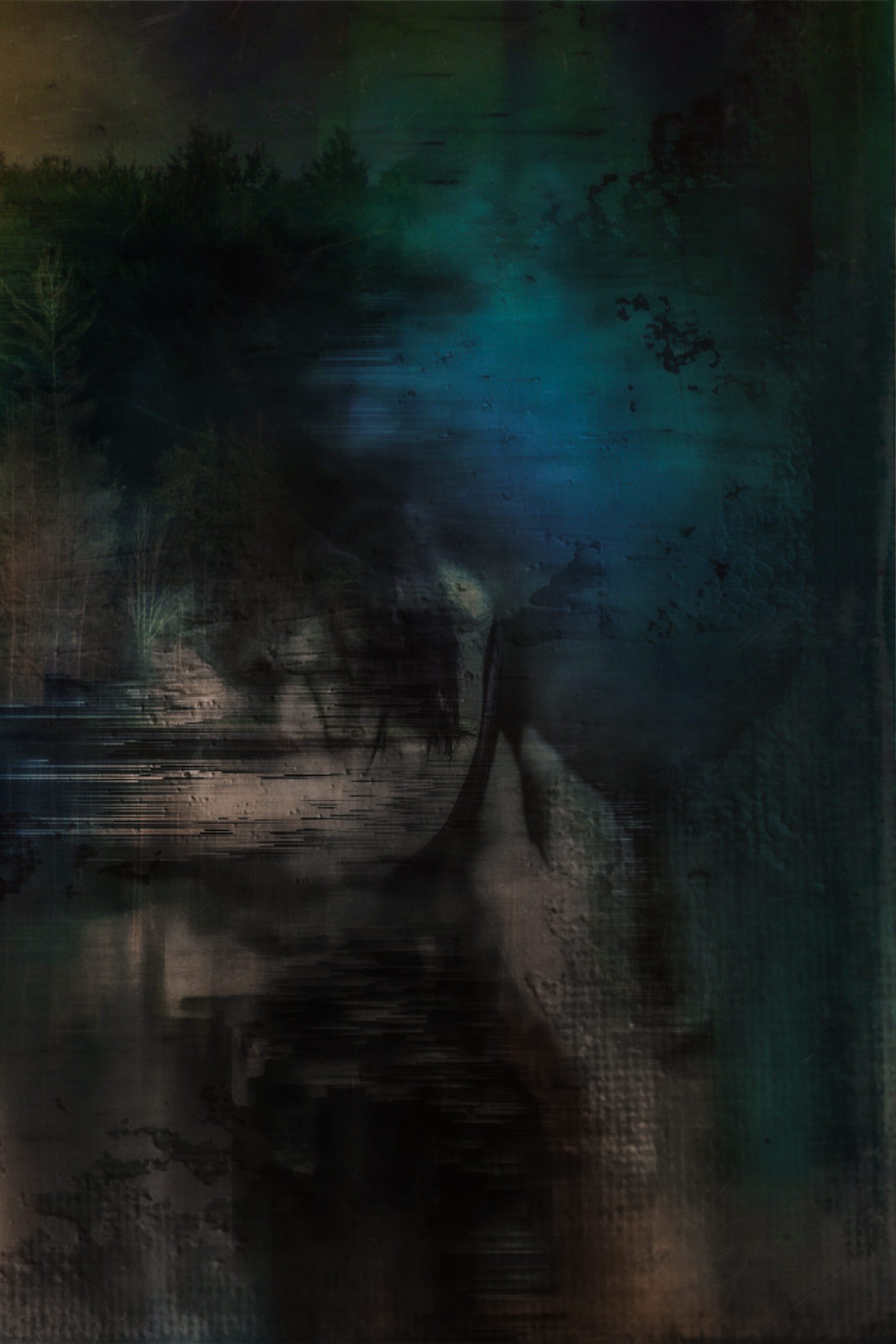
Creating the Image
An idea has been floating around in my mind for a while now about feeling fragmented. I have a few ideas I want to try, but I don’t have any images to fit them. So I went back to what I do have on hand and tried something different.
I wanted to create a portrait that felt fragmented in some way and thought of Picasso. I ran a portrait through an app that uses an image to create a new image in a famous artist’s style. Looking for inspiration.

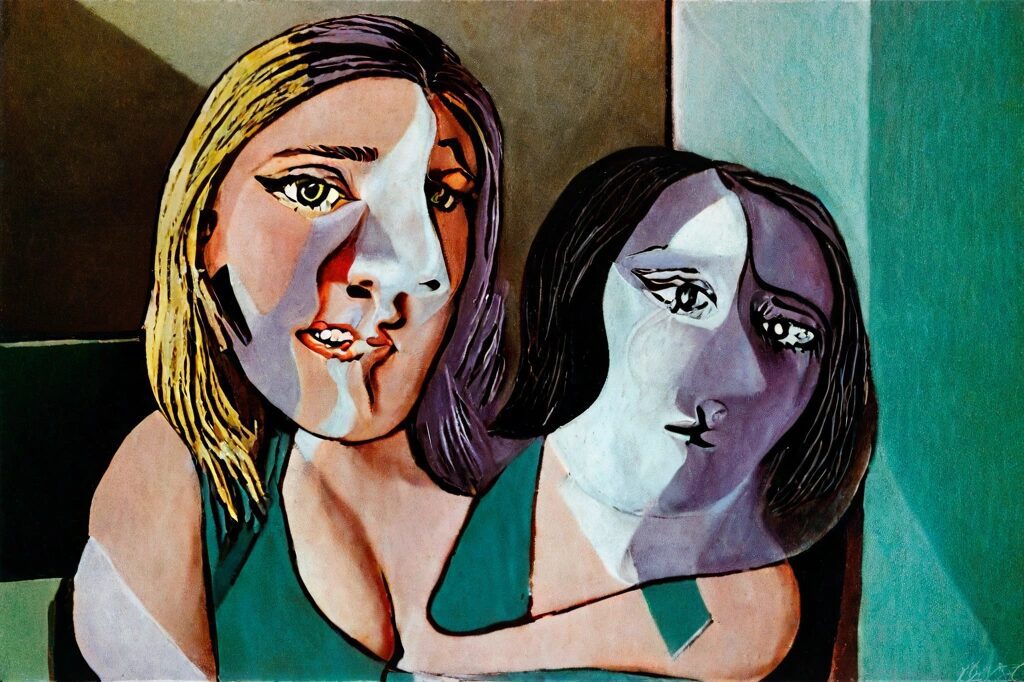
It was not what I was expecting, adding another portrait into the frame. But I was intrigued. The added portrait looked so sad.
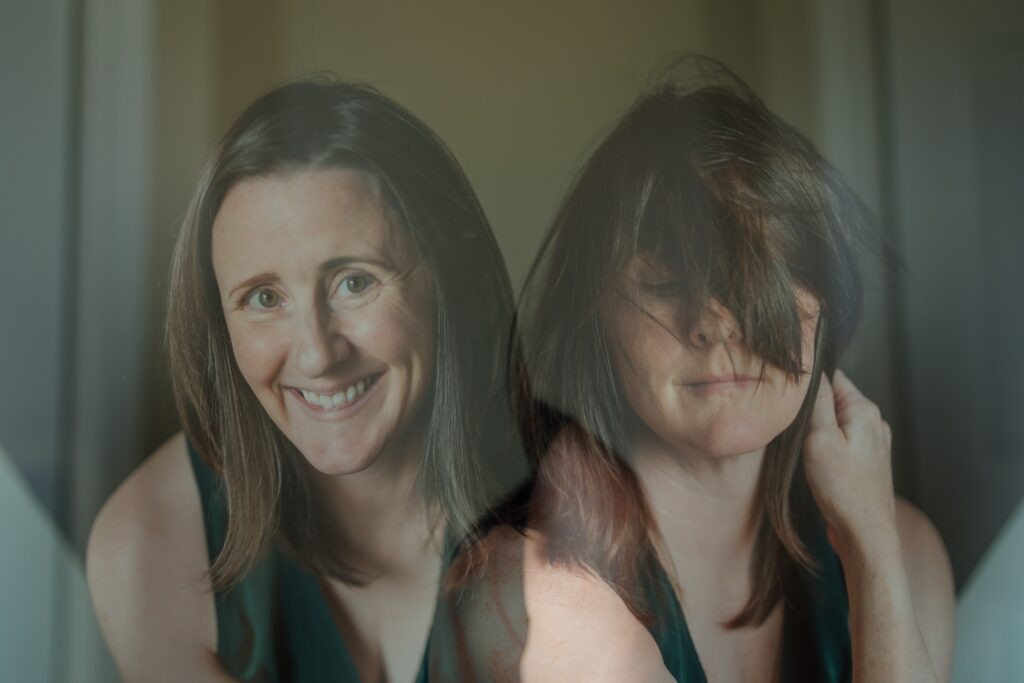
I wasn’t thrilled with this start. I have created different images along this visual metaphor of two sides of the self, or something like that. I didn’t want to recreate any of those, but I was willing to see where it might lead.
I used iColorama to create some distortions.

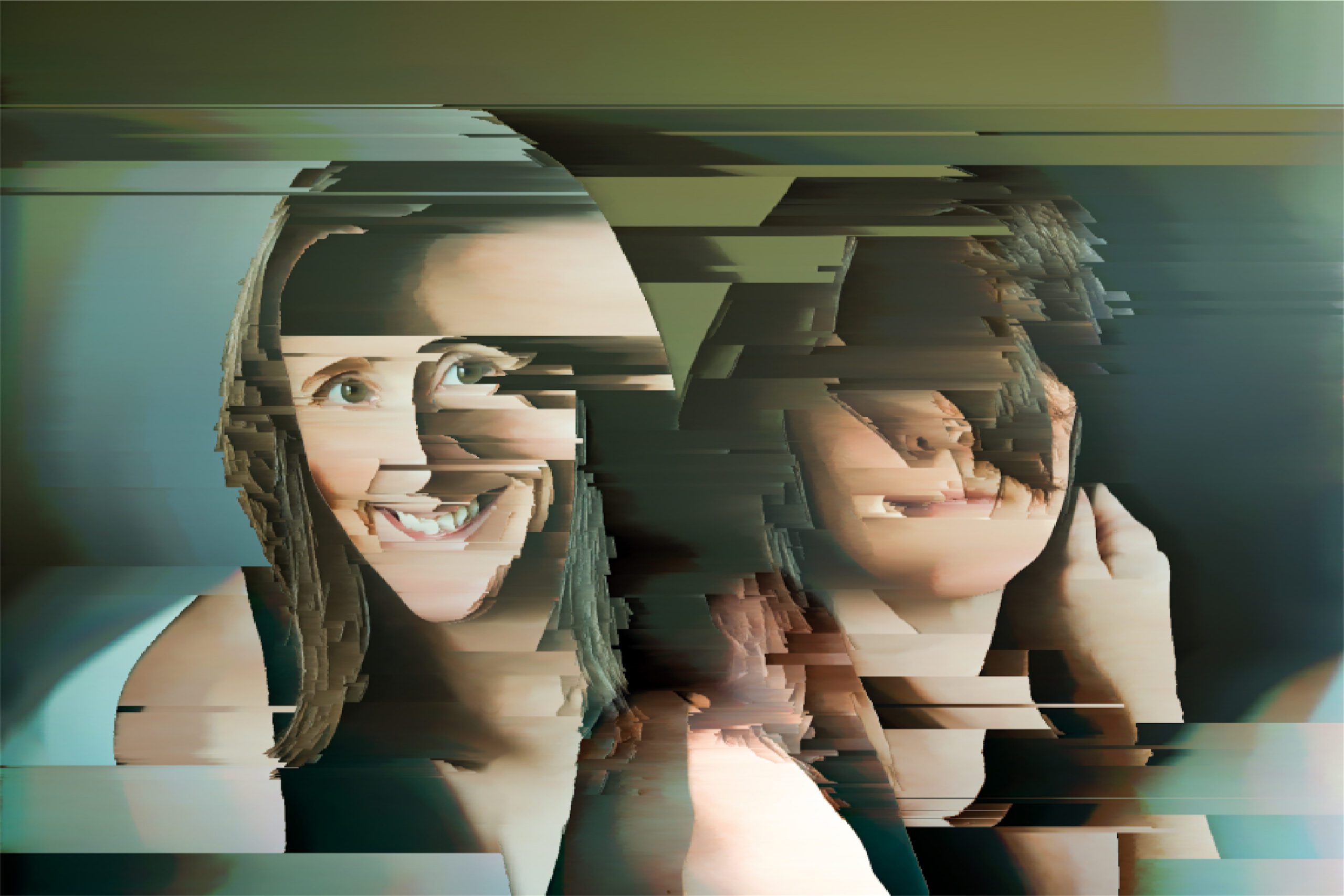
With these pieces, I ended here.
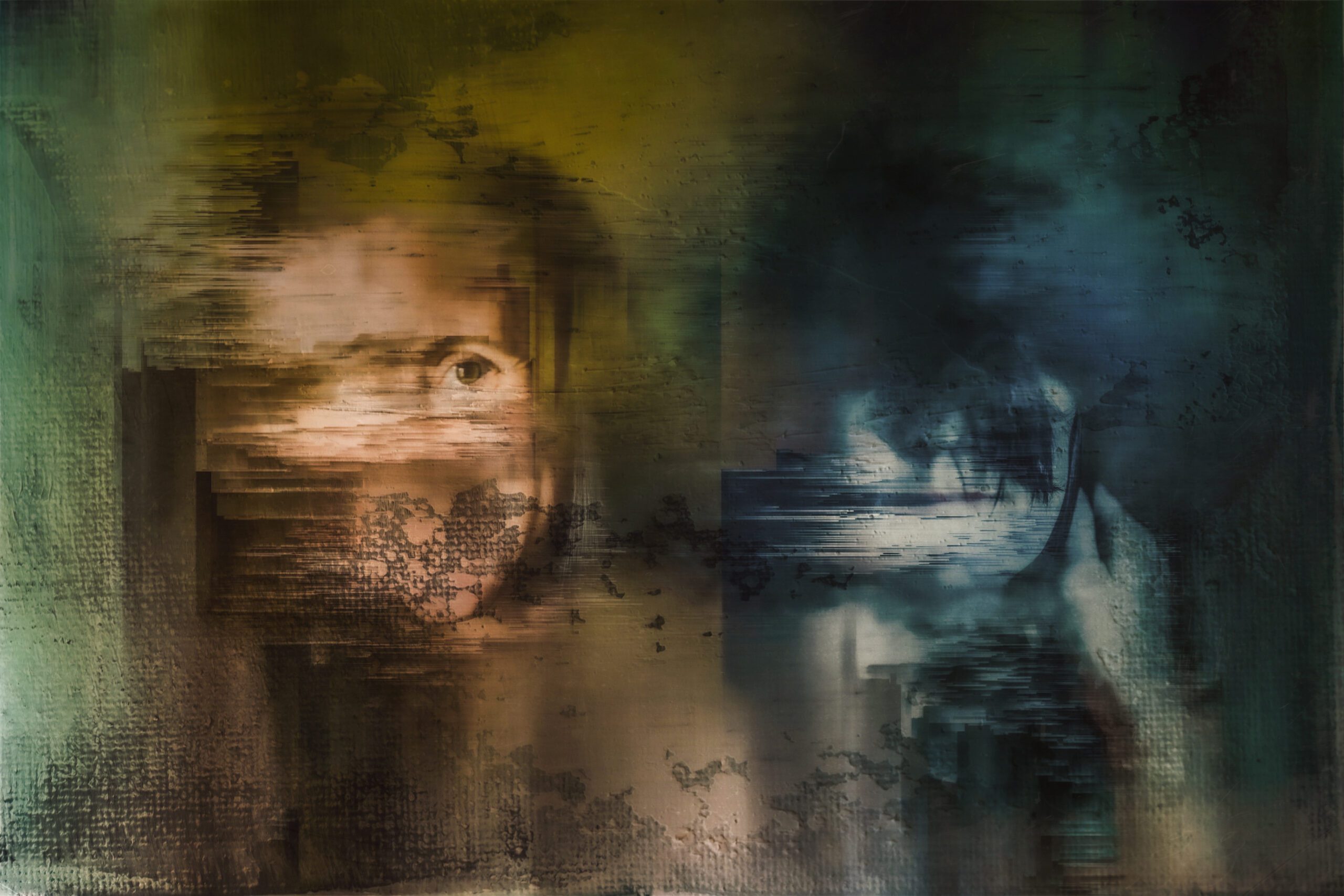
I was drawn to the portrait on the right. The sad one. The other one feels uncomfortable to me.
The section near my mouth reminded me of a reflection in water, so I went through my images to layer in a reflection. After several tries, I stayed with one I took while visiting my childhood lake cabin.

Reflecting on the Image
From fragmentation to a two-portrait split. My takeaway revolved around the idea of outgrowing versions of ourselves.
Why is it so hard to let go of a worn-out self-concept?
If your nervous system is wired to survive in the old identity, it will resist the shift. That is what I see in the split image: familiarity with one and aversion to the other, while trying to reconcile something more cohesive for myself.
What helps navigate this?
Expect discomfort. The in-between phase can feel confusing because you are leaving the familiar behind before the new chapter feels fully grounded. Trusting before there is full evidence.
Honor the old self. For me, this means noticing repetitive, unhelpful loops like “I am so overwhelmed” or “I have to do this alone”. In these examples, honoring the old self looks like being compassionate with the ways I have felt unsupported, but also acknowledging the strength this version of me needed to manage my experience.
Observable action. Repetitive loops can easily blind you to counterevidence, so for me this looks like paying attention to all the ways this loop is already not true. It also involves making small, concrete changes – ones that I can commit to as a way to build trust in a new narrative. Making one small change to my morning routine to slow down, and setting one clear boundary to better protect my time and energy, gives me the opportunity to build trust in a new self-concept.